Article
Business Insights | The green advantage: How occupiers can achieve greener outcomes
A large number of office occupiers in Auckland are finding that their sustainability targets outpace the buildings they occupy, according to CBRE’s Sustainability Gap report.
January 7, 2026

While Green Star and/or NABERSNZ ratings are now ‘baked in’ to new office development projects and most major refurbishments, many older or secondary-grade office buildings fall short on sustainability measures.
Among Auckland’s 100 largest prime office occupiers, 78 have explicit greenhouse gas reduction targets and nearly half have publicly committed to achieving net zero. These companies occupy 325,000sqm of prime office space, of which around three-quarters is in buildings with NABERSNZ or Green Star ratings of four stars or higher.
That still leaves more than 70,000sqm of prime office space leased by some of New Zealand’s largest net-zero-aligned organisations that is not in green-rated buildings.
The research therefore highlights a gap between many occupiers’ environmental commitments and the green credentials of their leased premises – presenting an opportunity for occupiers to take steps towards working with landlords to achieve better sustainability outcomes.
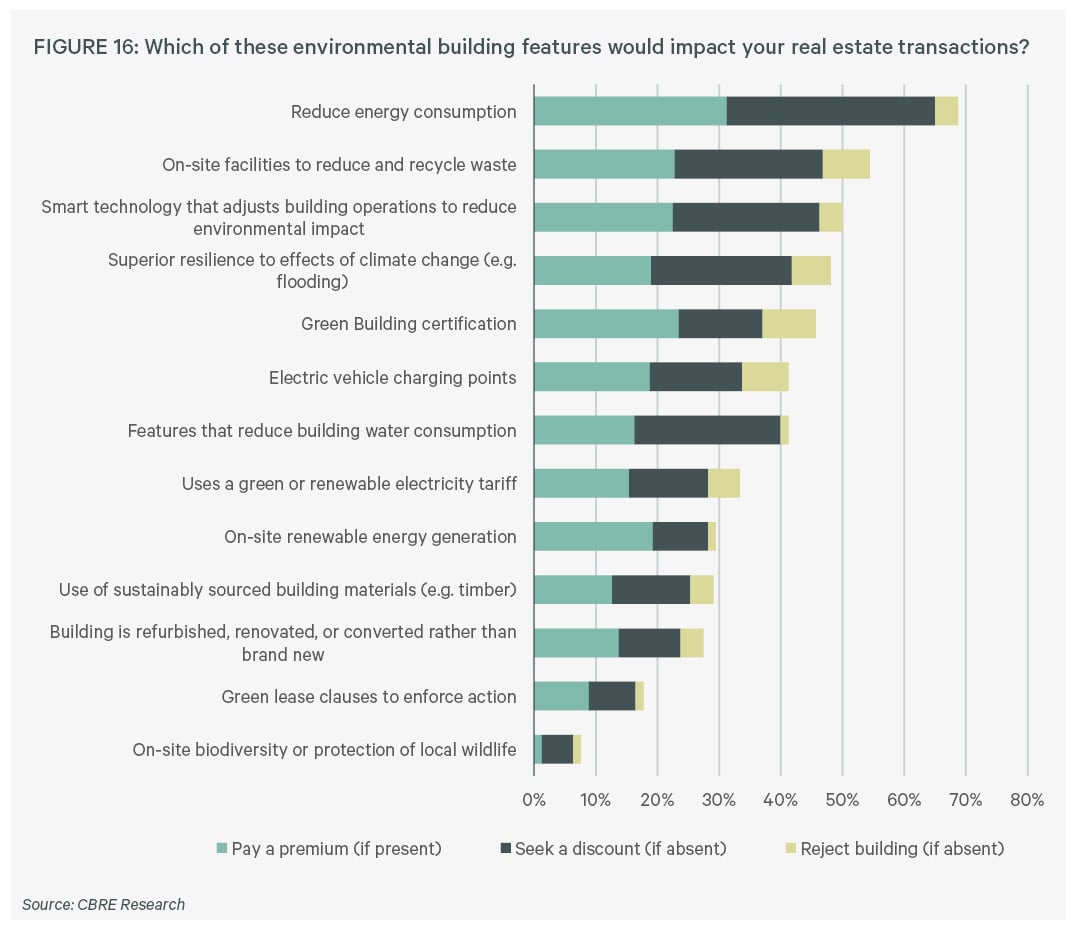
Nearly half of office occupiers now expect their leased space to have a recognised green building certification. This expectation is higher among multinational tenants which have global sustainability reporting standards to meet, says Zoltan Moricz, Head of Research at CBRE.
“Occupiers with international operations are often ahead of the curve in requiring green certification from their occupied buildings. This is driving a stronger link between corporate sustainability obligations and the office space companies choose to lease.”
Buildings that meet modern sustainability standards will have an advantage in terms of tenant demand as occupiers seek more sustainable office premises to help meet their goals. This alignment is becoming more important as formal climate-related disclosure requirements expand.
The main developers of new office space in the Auckland CBD are already leading the country on green design and building standards, in particular Precinct Properties and Mansons, which both take a sustainability-focused approach to new projects.
Tenants of older premises don’t necessarily need to wait until their next office move to make progress towards better building efficiency. Cost benefits can often be achieved within existing premises through opening a conversation with landlords about investing in some basic building efficiency upgrades, such as installing energy-efficient lighting and low-flow water fixtures.
By prioritising sustainability during lease terms, when considering office moves and in lease renewal discussions, tenants can send a signal to the market, says Campbell Pritchard.
“Higher occupier demand for sustainable space – helps drive more widespread investment into sustainable building features, which in turn gives occupiers more choice and better cost outcomes.”
CBRE has negotiated one of New Zealand’s first comprehensive ‘green leases’, providing a case study of how shared commitments can drive measurable results in building performance and energy efficiency.
Negotiated between leading environmental and engineering agency Tonkin + Taylor and Roxy-Pacific Investments (RPI), owner of the NZI Centre at 1 Fanshawe Street, Auckland; the lease supports Tonkin + Taylor’s sustainable business strategy through setting out various requirements.
These include obligations on the landlord and tenant to achieve a NABERSNZ rating each year, allowing monitoring and management of energy. There are also obligations for all parties to cooperate on sustainability initiatives around better management of waste, use of resources and water, and improving environmental awareness.
“A green lease can be an excellent way to formalise a partnership with your landlord based on shared sustainability objectives,” says Pritchard. “Where landlords and tenants align on sustainability, both parties can benefit through reduced operating costs, stronger tenant retention and improved environmental outcomes.
“However while we’re seeing more interest in these arrangements, they’re not yet standard practice across the market, so this is a significant area of potential future development.”
Alongside building sustainability, tenants are also increasingly expecting better provision of features that support low-carbon commuting, Pritchard says.
“The survey illustrates the increased importance organisations place on end-of-trip facilities, which have become a must-have. Many organisations now have a significant proportion of their staff cycling to work. The expectation is that their office buildings will incorporate ample secure bike parking, along with showers, locker storage and drying facilities that are part of the building amenity – not within a tenant’s office footprint.”
E-vehicle chargers and proximity to public transport are also considered must-have amenities that support sustainability efforts, he says.
“Sustainability is becoming embedded into how businesses compete for talent, manage costs and protect their brand. Those organisations which start integrating sustainability into all facets of their property occupation decisions will be the ones best placed for the next decade.”
Among Auckland’s 100 largest prime office occupiers, 78 have explicit greenhouse gas reduction targets and nearly half have publicly committed to achieving net zero. These companies occupy 325,000sqm of prime office space, of which around three-quarters is in buildings with NABERSNZ or Green Star ratings of four stars or higher.
That still leaves more than 70,000sqm of prime office space leased by some of New Zealand’s largest net-zero-aligned organisations that is not in green-rated buildings.
The research therefore highlights a gap between many occupiers’ environmental commitments and the green credentials of their leased premises – presenting an opportunity for occupiers to take steps towards working with landlords to achieve better sustainability outcomes.
Bridging the gap between aspiration and action
CBRE’s survey of office occupiers shows a willingness among New Zealand’s largest organisations, particularly those in Auckland, to invest in sustainability.Nearly half of office occupiers now expect their leased space to have a recognised green building certification. This expectation is higher among multinational tenants which have global sustainability reporting standards to meet, says Zoltan Moricz, Head of Research at CBRE.
“Occupiers with international operations are often ahead of the curve in requiring green certification from their occupied buildings. This is driving a stronger link between corporate sustainability obligations and the office space companies choose to lease.”
Buildings that meet modern sustainability standards will have an advantage in terms of tenant demand as occupiers seek more sustainable office premises to help meet their goals. This alignment is becoming more important as formal climate-related disclosure requirements expand.
The main developers of new office space in the Auckland CBD are already leading the country on green design and building standards, in particular Precinct Properties and Mansons, which both take a sustainability-focused approach to new projects.
Reducing property occupation costs through sustainability improvements
Achieving more efficient, sustainable workplaces has cost benefits for occupiers, alongside corporate social responsibility requirements. Technology such as energy management systems, occupancy sensors and automated building controls are standard features in premium office buildings, reducing energy bills.Tenants of older premises don’t necessarily need to wait until their next office move to make progress towards better building efficiency. Cost benefits can often be achieved within existing premises through opening a conversation with landlords about investing in some basic building efficiency upgrades, such as installing energy-efficient lighting and low-flow water fixtures.
By prioritising sustainability during lease terms, when considering office moves and in lease renewal discussions, tenants can send a signal to the market, says Campbell Pritchard.
“Higher occupier demand for sustainable space – helps drive more widespread investment into sustainable building features, which in turn gives occupiers more choice and better cost outcomes.”
Market-leading sustainable refurbishment
Alberts’ refurbishment of 1 Albert Street, Auckland, as well as its Formery redevelopment of three existing buildings at 87 Albert Street, offer best-in-class examples of sustainably-led building refurbishment – targeting a NABERSNZ rating of at least 4.5 stars. The company focuses on retaining and upcycling key structural elements, resulting in significant emissions reductions.‘Green leases’
Including sustainability clauses in lease agreements is another step forward, which is still very much in its infancy in New Zealand. A ‘green lease’ is a catch-all term for a lease agreement which provides a framework for collaboration between landlord and tenant on sustainability improvements. Specific clauses set out how both parties will measure, share and improve building sustainability.CBRE has negotiated one of New Zealand’s first comprehensive ‘green leases’, providing a case study of how shared commitments can drive measurable results in building performance and energy efficiency.
Negotiated between leading environmental and engineering agency Tonkin + Taylor and Roxy-Pacific Investments (RPI), owner of the NZI Centre at 1 Fanshawe Street, Auckland; the lease supports Tonkin + Taylor’s sustainable business strategy through setting out various requirements.
These include obligations on the landlord and tenant to achieve a NABERSNZ rating each year, allowing monitoring and management of energy. There are also obligations for all parties to cooperate on sustainability initiatives around better management of waste, use of resources and water, and improving environmental awareness.
“A green lease can be an excellent way to formalise a partnership with your landlord based on shared sustainability objectives,” says Pritchard. “Where landlords and tenants align on sustainability, both parties can benefit through reduced operating costs, stronger tenant retention and improved environmental outcomes.
“However while we’re seeing more interest in these arrangements, they’re not yet standard practice across the market, so this is a significant area of potential future development.”
Looking ahead
With many corporate net zero targets set for 2030, occupiers across New Zealand are likely to start paying closer attention to their leased space as a key area to achieve sustainability improvements.Alongside building sustainability, tenants are also increasingly expecting better provision of features that support low-carbon commuting, Pritchard says.
“The survey illustrates the increased importance organisations place on end-of-trip facilities, which have become a must-have. Many organisations now have a significant proportion of their staff cycling to work. The expectation is that their office buildings will incorporate ample secure bike parking, along with showers, locker storage and drying facilities that are part of the building amenity – not within a tenant’s office footprint.”
E-vehicle chargers and proximity to public transport are also considered must-have amenities that support sustainability efforts, he says.
“Sustainability is becoming embedded into how businesses compete for talent, manage costs and protect their brand. Those organisations which start integrating sustainability into all facets of their property occupation decisions will be the ones best placed for the next decade.”
Three ways occupiers and landlords can improve sustainability
- Monitor and manage resource use: Occupancy sensors, timed lighting and smart metering can optimise usage, cutting both emissions and utility costs.
- Choose certified space: Select premises with independent sustainability ratings such as Green Star or NABERSNZ. Certification demonstrates environmental responsibility to the market, supporting talent attraction and brand.
- Collaborate through green leases: Negotiate green lease clauses that set shared targets for energy efficiency, waste reduction and reporting. Cooperation between landlord and tenant can accelerate upgrades and ensure building performance aligns with corporate sustainability goals.