Press Release
Prime assets drive regional commercial property markets
New Zealand
September 1, 2026
Media Contact
Marketing and Pitch Director, New Zealand

The report, which tracks rents and yields across office, industrial and retail markets from Whangarei to Invercargill, shows prime buildings recording rental growth and steady investor demand in the first half of 2026, while the more subdued secondary market is creating repositioning and added-value opportunities.
Jorge Chang Urrea, Research Manager at CBRE, said the divide between prime and secondary property is most notable across the office and industrial sectors in the regions.
"Prime property is receiving good levels of demand and investment appetite, while demand in the secondary market is more selective. Prime assets are typically in short supply and investors continue to prioritise good locations, strong tenant covenants and build quality. These preferences are driving prime commercial property market performance."
Tim Rookes, Managing Director of CBRE's South Island business, said value levels in the secondary market are also likely to attract more entrepreneurial investors.
“Buyers with an eye for value add potential, who can modernise or reposition secondary-grade assets in regional centres and improve their income profile, have a strong opportunity in the current market.”
Prime office buildings in Hamilton, Hastings, Tauranga, New Plymouth, Invercargill and Frankton (Queenstown) recorded rental growth over the first half of this year, while secondary office rents in several centres nationwide have plateaued, reflecting higher supply levels, softer demand and tenant preferences for modern buildings.
Office yields remained soft overall and sales activity subdued, with vendors and buyers often having divergent price expectations. However, tighter yields and stronger activity is persisting for modern well-located assets in regions including Manawatū, Taranaki and provincial Canterbury - a pattern which points to a consistent flight to quality among both tenants and investors.
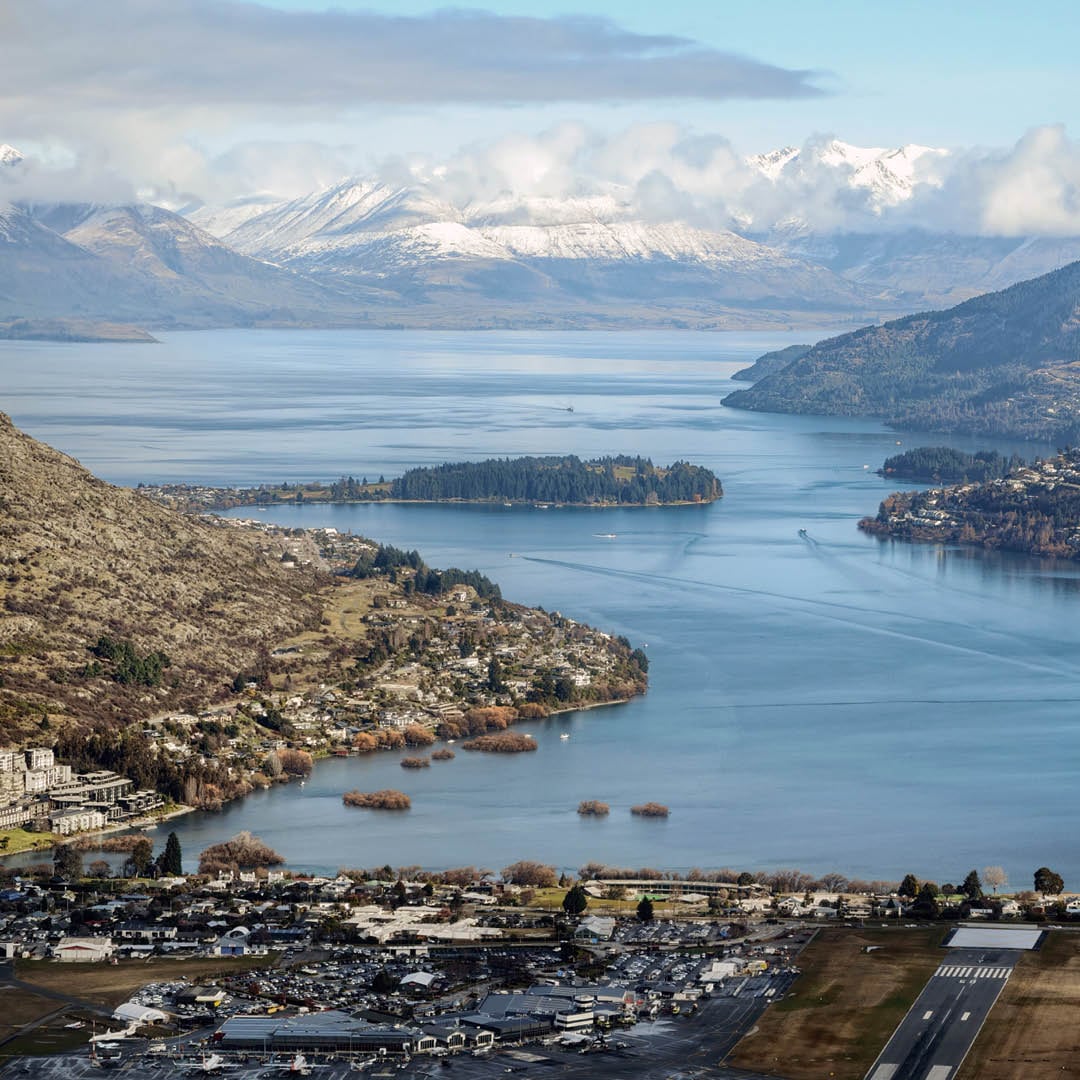
Frankton (Queenstown) is the standout in the office market, with improving rents, very limited availability and strong investor demand. It also recorded the highest average prime office rent of any regional centre at $487.50 per square metre, with a relatively low 5% average yield.
Rookes said the results reflect current differences in economic health between the North and South islands.
"The research highlights the divergent economic performance between the north and the south. The North Island's services-based economy is displaying slower growth and higher unemployment, while the South Island is benefiting from strong primary industries and tourism confidence. However, the North Island's population base provides a strong foundation for ongoing investor confidence as the economy recovers."
The report's industrial figures underline the point. Invercargill rates favourably on every rental and investment measure for both prime and secondary industrial property, with improving rents and strong demand. North Canterbury also displays limited supply and strong investor demand for quality assets, along with rental growth in the leasing market.
Queenstown remains the tightest industrial market in the country, with zero vacancy continuing to push rents and land values higher.
Frankton and Queenstown town centre recorded the highest prime industrial rents of any regional centre at $215 and $195 per square metre, with the firmest yields at 4.75% and 5.25%.
"Queenstown is the definite outlier nationally due to the unique trends driving that market," Chang Urrea said.
The gap is widest in retail, where Queenstown CBD's average prime rent of $2,150 per square metre is almost double the next highest regional centre, Dunedin CBD, at $1,100. Yields on Queenstown CBD retail property are also much lower than any other sector in the other regions, at around 3.5%.
Other strong-performing regional CBD retail markets which are displaying rental growth and firm yields include Heretaunga Street in Hastings and the prime 'golden block' on George Street in Dunedin.
Outside these centres, CBD retail remains the most challenged sector. However, suburban and large format retail is performing well, with low vacancy and steady-to-rising activity across many regions. Quality large format retail centres are attracting increased investor attention.
Rookes said investors were likely to remain selective across all sectors in the near term.
"With market uncertainty continuing into the second half of the year, investor confidence is likely to keep gravitating towards prime commercial property assets. There is mixed feedback in the market as to whether activity will slow markedly around the upcoming election, although some underlying caution is likely to persist either way."
About CBRE Group, Inc.
CBRE Group, Inc. (NYSE: CBRE), a Fortune 500 and S&P 500 company headquartered in Dallas, is the world’s largest commercial real estate services and investment firm and a premier provider of critical infrastructure services. The company has more than 155,000 employees serving clients in more than 100 countries. CBRE serves clients through four business segments: Advisory (leasing, sales, debt origination, mortgage servicing, valuations); Building Operations & Experience (facilities management, property management, flex space & experience, critical infrastructure); Project Management (program management, project management, cost consulting); Real Estate Investments (investment management, development). Please visit our website at www.cbre.com.