Article
Business Insights | An office move is about more than just an office
An office relocation is a significant and often underestimated project. What separates a smooth transition from a disruptive one is rarely just the physical move to the new building. It’s the time spent on planning, the strength of project governance and how well the organisation involves its people in the journey. CBRE works with organisations across all stages of this process—from defining workplace strategy and selecting a new site through to all aspects of planning and change management, right up to operating effectively in the new office.
August 3, 2026
Media Contact
Dan Scott
Marketing and Pitch Director, New Zealand

This article is the first in a series of insights on New Zealand organisations that have recently navigated a major relocation—discussing the key learnings and highlighting what best practice change management looks like in reality.
Every organisation’s move is different, but the common threads are consistent: those who do it well start early, build a strong governance structure and put their people at the centre of the process from an early stage.
We advise most office occupiers to begin thinking about an office move at least a year before their lease expiry and for larger organisations, considerably longer. One of the most common mis-steps we see is underestimating the time each stage of the process requires.
While some larger organisations have the internal capability to run a relocation project in-house, it is rarely without impact on day-to-day deliverables. The organisations that anticipate this trade-off and allocate appropriate resource (either in-house or involving an external expert like CBRE) to help prevent it are always more successful.
In this series of insights, I combine my own experience with that of corporate occupiers who have been through an office move (big or small) to break down the key stages of the process. Drawing on how others have navigated these transitions, I aim to give those approaching an office move a clear, practical understanding of what lies ahead.
With around 1,200 staff relocating into a space roughly 60% the size of their previous premises and adjusting its flexible working model along the way, it is a strong example of what a well-managed large-scale relocation can look like.
The origins of the move can be traced back to the post-Covid shift to hybrid working. Like many organisations, One NZ found itself with more space than it needed.
Teresa Fowler, who heads One NZ’s property and facilities team of around 20 employees, led the project internally. Having joined One NZ in 2017, it was her second office move with the company and her first as project lead.
“We went through a process of understanding what our workplace strategy actually looks like and what it means for our business, not just at that particular time but also looking to the future. That process took about a year. From selecting a site to moving in was a further year and a half.”
Once One NZ had completed the strategic groundwork, site selection moved relatively quickly. The company ran a detailed search process with a clear set of criteria: the right size, proximity to public transport, a minimum 5-star Green Star sustainability rating and a strong brand presence in a central location.
“Spending that time up front and being really clear on your strategy, what you want and what you need from your workplace, can make the next steps a lot easier,” Fowler said. “It meant we could quickly narrow our search down to a handful of buildings.”
Beyond finding the right space, the move was also about brand and connection. A move to Wynyard Quarter meant One NZ could co-locate with other tech occupiers in a building that reflected the company’s identity as a fully New Zealand-owned business. Mansons’ landmark new building at 30 Daldy Street, targeting a 6-star Green Star rating and Platinum WELL certification, met those criteria.
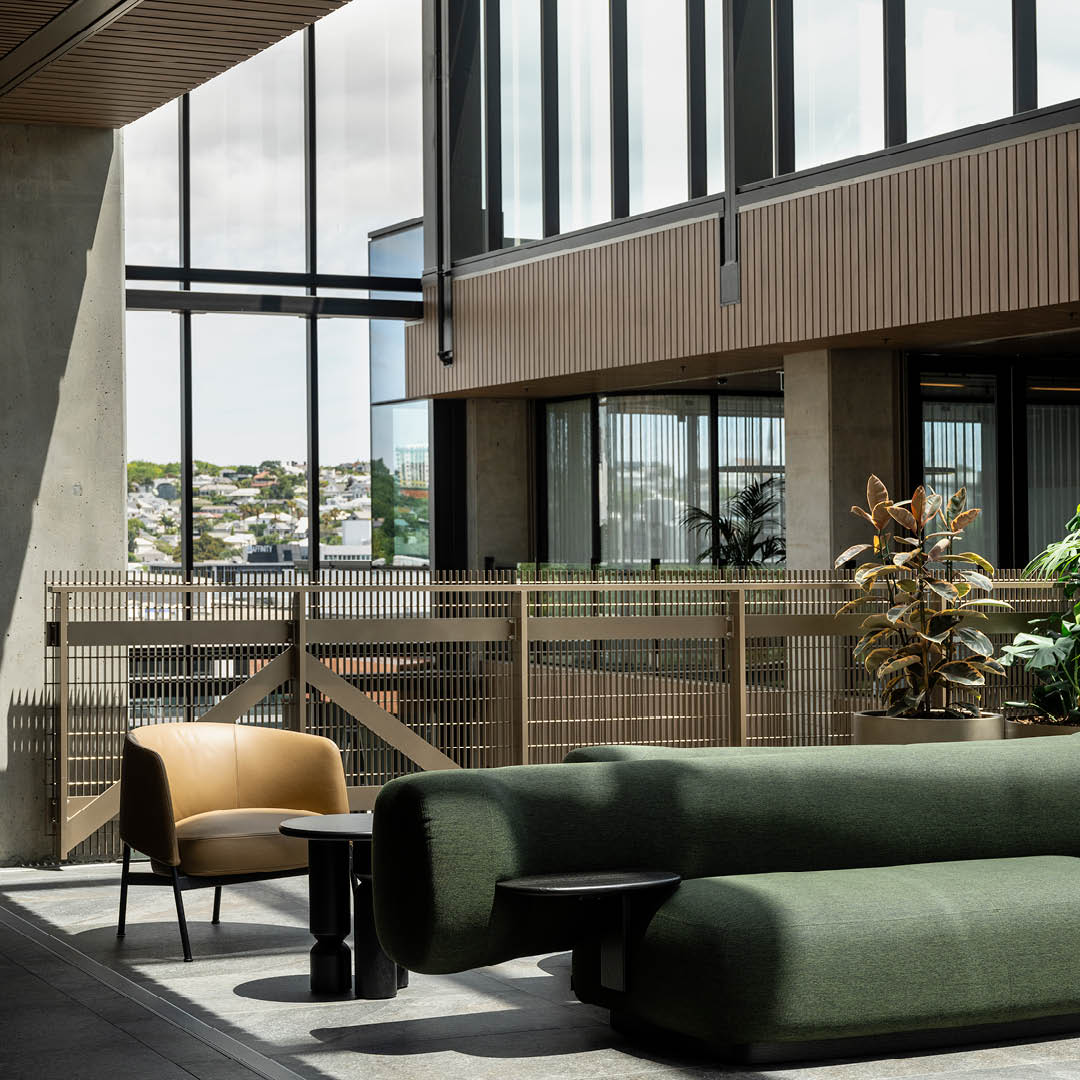
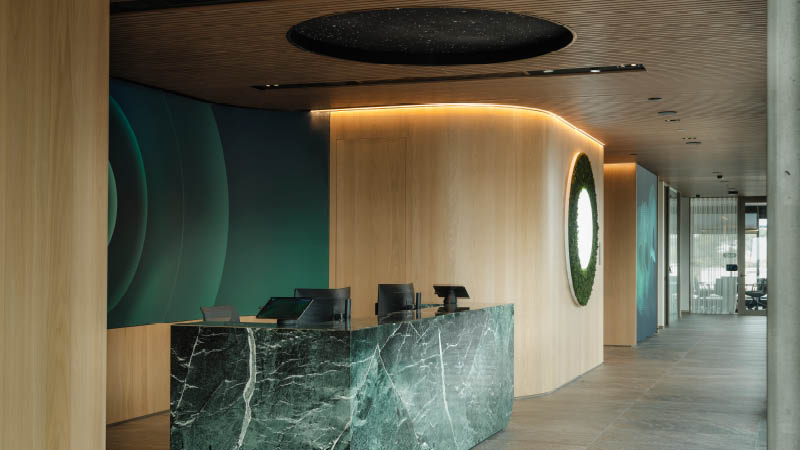
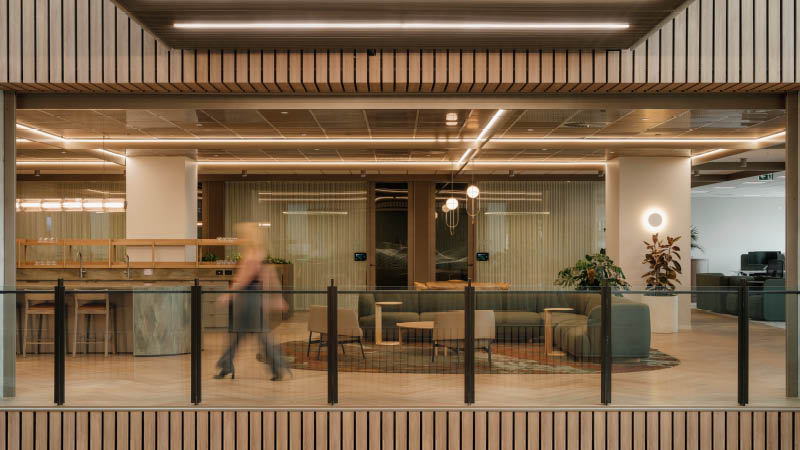
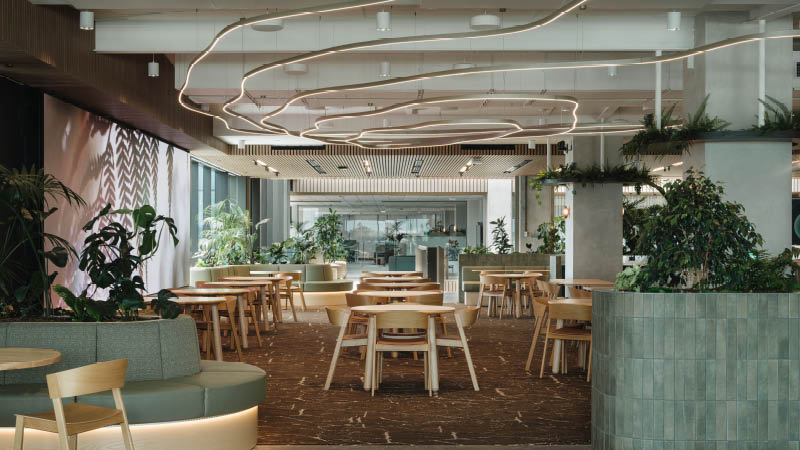
Connection was considered as an actual design principle—between One NZ’s employees, customers, partners and to Aotearoa. To achieve this, designers STACK Interiors devised a space that encourages movement and collaboration with flexible work zones, open communal spaces and a central social hub.
Māori-inspired details, sustainable local materials and clever integration of technology have resulted in a workplace that is both future-focused and anchored in cultural authenticity.
One NZ CEO Jason Paris announced the new office at an all-staff meeting, playing a marketing video of the new building. “The whole room just erupted with applause,” Fowler said. “I expected there’d be a little bit of nervousness, but because we announced it so early and gave our change management programme time and real consideration as an integral part of the project, it made the upcoming transition a whole lot smoother.”
A core principle of good change management practice is that awareness and genuine buy-in must come before you can expect people to change their behaviour, and that process takes time.
Another key principle is the importance of appointing a network of influential advocates early. This can be a group of people at different levels of the organisation who are genuinely invested in the change and can help bring others along with them.
One NZ did exactly that—setting up a group of working champions spanning different functions and seniority levels, to help shape office design and optimum ways of working ahead of the move.
Monthly drop-in sessions gave all staff the opportunity to ask questions, while a project room let employees physically test and vote on furniture options, said Fowler.
“That made people feel like they were part of the whole process. Admittedly it did add time and some complications, but we would not have done it differently.”
Heat mapping where staff lived determined the level of impact and helped shape the approach. One NZ engaged Auckland Transport early in the programme, offering a transport credit to staff who were accustomed to driving to work so they could try out public transport.
The office opening was managed through an ‘O-week’ format, where one business division came in at a time over dedicated days—each with building tours and an evening event to familiarise people with the space. Frontline staff, whose calls were redirected to other locations for the day, got the same experience as everyone else.
That helped give people ownership of the space from the outset, Fowler said. “It was less daunting to people when they had the chance to explore the new office with their own teams, rather than the whole workforce pouring through the doors at once.”
Since opening, this system, along with a ‘connection day’ model —where each function has a reserved area of the building on a given day—has helped embed new working habits, said Fowler.
“You can have the most amazing new office, but if people are still reverting to old behaviours, they’re not going to mix or connect with other people.”
One unexpected outcome is that the executive team has gravitated toward the short-stay ‘touchdown spaces’ near meeting rooms when they are in the office, leaving the prime desk positions for staff who generally spend more time in desk-based work rather than meetings.
“I can’t stress enough the importance of allowing more time than you think you’ll need for an office move, especially if you’re doing a new fit-out. The initial concept design and overall look & feel took longer than any of us anticipated, because those decisions are quite subjective.
“Also consider the importance of change management expertise. Whether you allocate this in-house or bring in an external consultant, it’s a crucial element of the process from day one. Finally I think one of the reasons we successfully completed the project on time was the fact that we maintained a strong presence on site, we were here liaising with the design and construction teams to ensure we delivered a quality outcome.”
One NZ’s approach reflects what CBRE consistently sees when working with clients on successful workplace transformations. In my experience, when organisations start with a clear workplace strategy, treat change management as a core discipline and bring their people on the journey from day one, an office move becomes an opportunity to re energise the organisation, rather than a period of disruption.
The scale and complexity of One NZ’s relocation meant the stakes were high, but the approach the company took paved the way for success. If your organisation is thinking about an office move, CBRE welcomes the opportunity to partner with you on your workplace transformation.
Photography provided by David Straight for STACK Interiors.
Every organisation’s move is different, but the common threads are consistent: those who do it well start early, build a strong governance structure and put their people at the centre of the process from an early stage.
We advise most office occupiers to begin thinking about an office move at least a year before their lease expiry and for larger organisations, considerably longer. One of the most common mis-steps we see is underestimating the time each stage of the process requires.
While some larger organisations have the internal capability to run a relocation project in-house, it is rarely without impact on day-to-day deliverables. The organisations that anticipate this trade-off and allocate appropriate resource (either in-house or involving an external expert like CBRE) to help prevent it are always more successful.
In this series of insights, I combine my own experience with that of corporate occupiers who have been through an office move (big or small) to break down the key stages of the process. Drawing on how others have navigated these transitions, I aim to give those approaching an office move a clear, practical understanding of what lies ahead.
One NZ: lessons from a major shift from a suburban to CBD office
One NZ has recently undertaken a significant workplace transformation, shifting its Auckland support office from Smales Farm on the North Shore to 30 Daldy Street in Wynyard Quarter in November 2025.With around 1,200 staff relocating into a space roughly 60% the size of their previous premises and adjusting its flexible working model along the way, it is a strong example of what a well-managed large-scale relocation can look like.
The origins of the move can be traced back to the post-Covid shift to hybrid working. Like many organisations, One NZ found itself with more space than it needed.
Teresa Fowler, who heads One NZ’s property and facilities team of around 20 employees, led the project internally. Having joined One NZ in 2017, it was her second office move with the company and her first as project lead.
“We went through a process of understanding what our workplace strategy actually looks like and what it means for our business, not just at that particular time but also looking to the future. That process took about a year. From selecting a site to moving in was a further year and a half.”
Once One NZ had completed the strategic groundwork, site selection moved relatively quickly. The company ran a detailed search process with a clear set of criteria: the right size, proximity to public transport, a minimum 5-star Green Star sustainability rating and a strong brand presence in a central location.
“Spending that time up front and being really clear on your strategy, what you want and what you need from your workplace, can make the next steps a lot easier,” Fowler said. “It meant we could quickly narrow our search down to a handful of buildings.”
Beyond finding the right space, the move was also about brand and connection. A move to Wynyard Quarter meant One NZ could co-locate with other tech occupiers in a building that reflected the company’s identity as a fully New Zealand-owned business. Mansons’ landmark new building at 30 Daldy Street, targeting a 6-star Green Star rating and Platinum WELL certification, met those criteria.
Connection was considered as an actual design principle—between One NZ’s employees, customers, partners and to Aotearoa. To achieve this, designers STACK Interiors devised a space that encourages movement and collaboration with flexible work zones, open communal spaces and a central social hub.
Māori-inspired details, sustainable local materials and clever integration of technology have resulted in a workplace that is both future-focused and anchored in cultural authenticity.
Change management as a core discipline
One NZ incorporated best-practice change management principles into the project from an early stage, said Fowler. “Sometimes I think change management starts a little too late. We deliberately brought our people on the journey right from the beginning. This built excitement, and then you work through the more practical aspects with your people already on board.”One NZ CEO Jason Paris announced the new office at an all-staff meeting, playing a marketing video of the new building. “The whole room just erupted with applause,” Fowler said. “I expected there’d be a little bit of nervousness, but because we announced it so early and gave our change management programme time and real consideration as an integral part of the project, it made the upcoming transition a whole lot smoother.”
A core principle of good change management practice is that awareness and genuine buy-in must come before you can expect people to change their behaviour, and that process takes time.
Another key principle is the importance of appointing a network of influential advocates early. This can be a group of people at different levels of the organisation who are genuinely invested in the change and can help bring others along with them.
One NZ did exactly that—setting up a group of working champions spanning different functions and seniority levels, to help shape office design and optimum ways of working ahead of the move.
Monthly drop-in sessions gave all staff the opportunity to ask questions, while a project room let employees physically test and vote on furniture options, said Fowler.
“That made people feel like they were part of the whole process. Admittedly it did add time and some complications, but we would not have done it differently.”
Addressing the practical concerns
Shifting to a completely different location that requires people to change their commute is often a major source of resistance in an office move. This was certainly the case for One NZ. Moving from a North Shore campus with ample parking to a central city location without it was a significant change for many people.Heat mapping where staff lived determined the level of impact and helped shape the approach. One NZ engaged Auckland Transport early in the programme, offering a transport credit to staff who were accustomed to driving to work so they could try out public transport.
The office opening was managed through an ‘O-week’ format, where one business division came in at a time over dedicated days—each with building tours and an evening event to familiarise people with the space. Frontline staff, whose calls were redirected to other locations for the day, got the same experience as everyone else.
That helped give people ownership of the space from the outset, Fowler said. “It was less daunting to people when they had the chance to explore the new office with their own teams, rather than the whole workforce pouring through the doors at once.”
Embedding new ways of working
To facilitate the greater level of connection within and between teams that One NZ wanted from its new office space, a desk booking system was put in place enabling people to book a desk anywhere in the building for the day.Since opening, this system, along with a ‘connection day’ model —where each function has a reserved area of the building on a given day—has helped embed new working habits, said Fowler.
“You can have the most amazing new office, but if people are still reverting to old behaviours, they’re not going to mix or connect with other people.”
One unexpected outcome is that the executive team has gravitated toward the short-stay ‘touchdown spaces’ near meeting rooms when they are in the office, leaving the prime desk positions for staff who generally spend more time in desk-based work rather than meetings.
Considerations for occupiers planning ahead
Fowler’s advice to others facing a similar move is threefold. Allow enough time for each phase of the programme to play out, treat change management as a core part of the project rather than an add-on, and stay close to the delivery.“I can’t stress enough the importance of allowing more time than you think you’ll need for an office move, especially if you’re doing a new fit-out. The initial concept design and overall look & feel took longer than any of us anticipated, because those decisions are quite subjective.
“Also consider the importance of change management expertise. Whether you allocate this in-house or bring in an external consultant, it’s a crucial element of the process from day one. Finally I think one of the reasons we successfully completed the project on time was the fact that we maintained a strong presence on site, we were here liaising with the design and construction teams to ensure we delivered a quality outcome.”
One NZ’s approach reflects what CBRE consistently sees when working with clients on successful workplace transformations. In my experience, when organisations start with a clear workplace strategy, treat change management as a core discipline and bring their people on the journey from day one, an office move becomes an opportunity to re energise the organisation, rather than a period of disruption.
The scale and complexity of One NZ’s relocation meant the stakes were high, but the approach the company took paved the way for success. If your organisation is thinking about an office move, CBRE welcomes the opportunity to partner with you on your workplace transformation.